
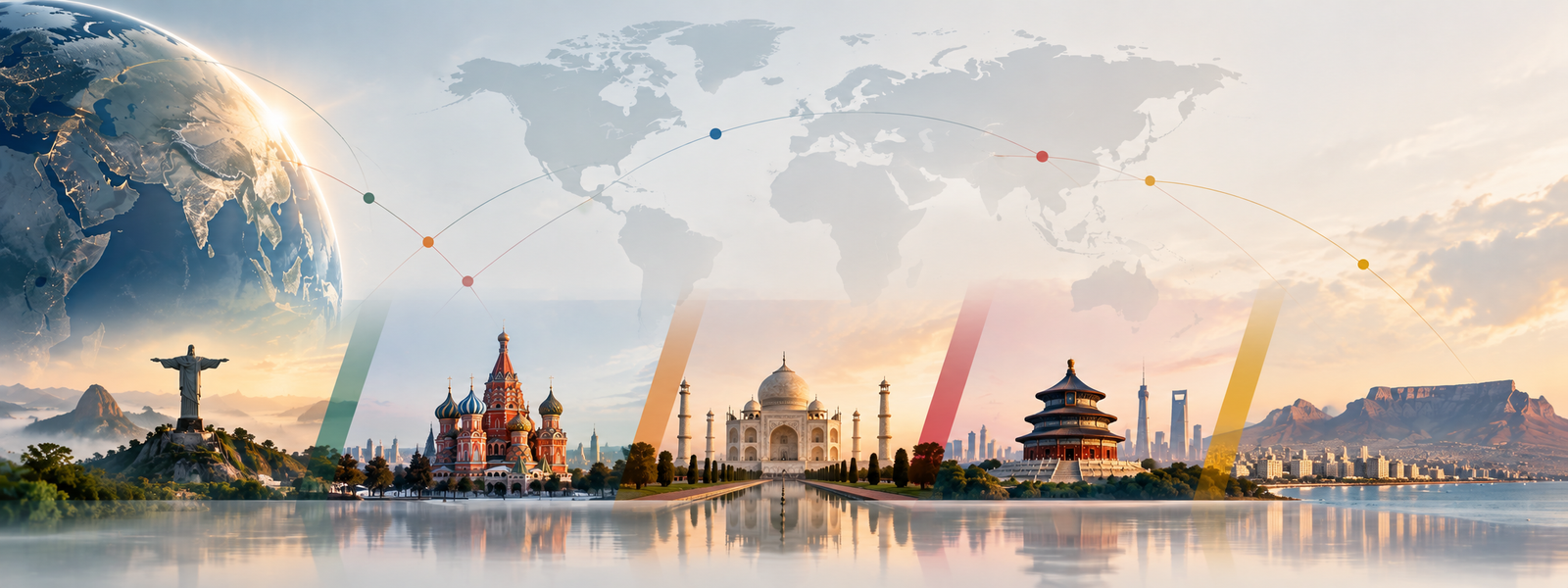
BRICS 2026: Beyond the Aggregates
The expansion of BRICS to ten members (Core 5- Brazil, Russia, India, China, South Africa and the Extended 5*- (UAE, Egypt, Ethiopia, Iran, Indonesia) brings together economies with very different levels of income, inflation and infrastructure. Using data from the 2026 BRICS Joint Statistical Publication, this story looks beyond aggregate figures to examine these differences across the bloc.
The UAE's per capita GDP is nearly 20 times higher than India's
Aggregate GDP is strongly influenced by the size of a country's population, particularly in large economies such as China and India. GDP per capita presents a different picture: the UAE records the highest output per person among the ten BRICS members, at around US$54,000, compared with US$2,761 in India.
While the UAE's total GDP ($614 billion) places it in the middle of the expanded bloc, its per capita output highlights a stark divergence. It contrasts sharply with the massive, populous economies acting as global growth engines, showcasing two very different types of economies within the same geopolitical alliance.
Double-digit inflation is concentrated among newer BRICS members
A closer look at consumer price indices highlights varying degrees of macroeconomic stability. The core members have largely maintained inflation below 10%, while several extended members face severe inflation.
Iran recorded the highest inflation rate at 40.7%, followed by Ethiopia at 16.0% and Egypt at 13.0%. In contrast, China recorded no change, while India, Indonesia and the UAE recorded inflation rates below 3%. The figures point to substantial differences in inflationary conditions across the BRICS grouping.
China's highway network is 17 times larger than India's
The scale of transport infrastructure varies substantially across BRICS members. China has by far the largest reported highway network among the countries included in this comparison, followed by Indonesia and India.
China's 5.5 million kilometers of highway underscore decades of massive infrastructure investment. While India's 335,000 km network is substantial globally, the gap highlights the vast differences in physical development among the bloc's largest members.
Taken together, these indicators show how diverse the BRICS grouping has become. Differences in income per person, inflation and the scale of transport infrastructure point to very different economic conditions across its members- differences that can be obscured when the bloc is viewed only through aggregate figures.
Get our research and event invitations
Subscribe for new publications, workshops, and policy commentary from The Research Wise.
Women’s Financial Autonomy in India: What Does NFHS-5 Tell Us?
Using NFHS-5 data, this data story examines whether women have money of their own that they alone can decide h...
Read More →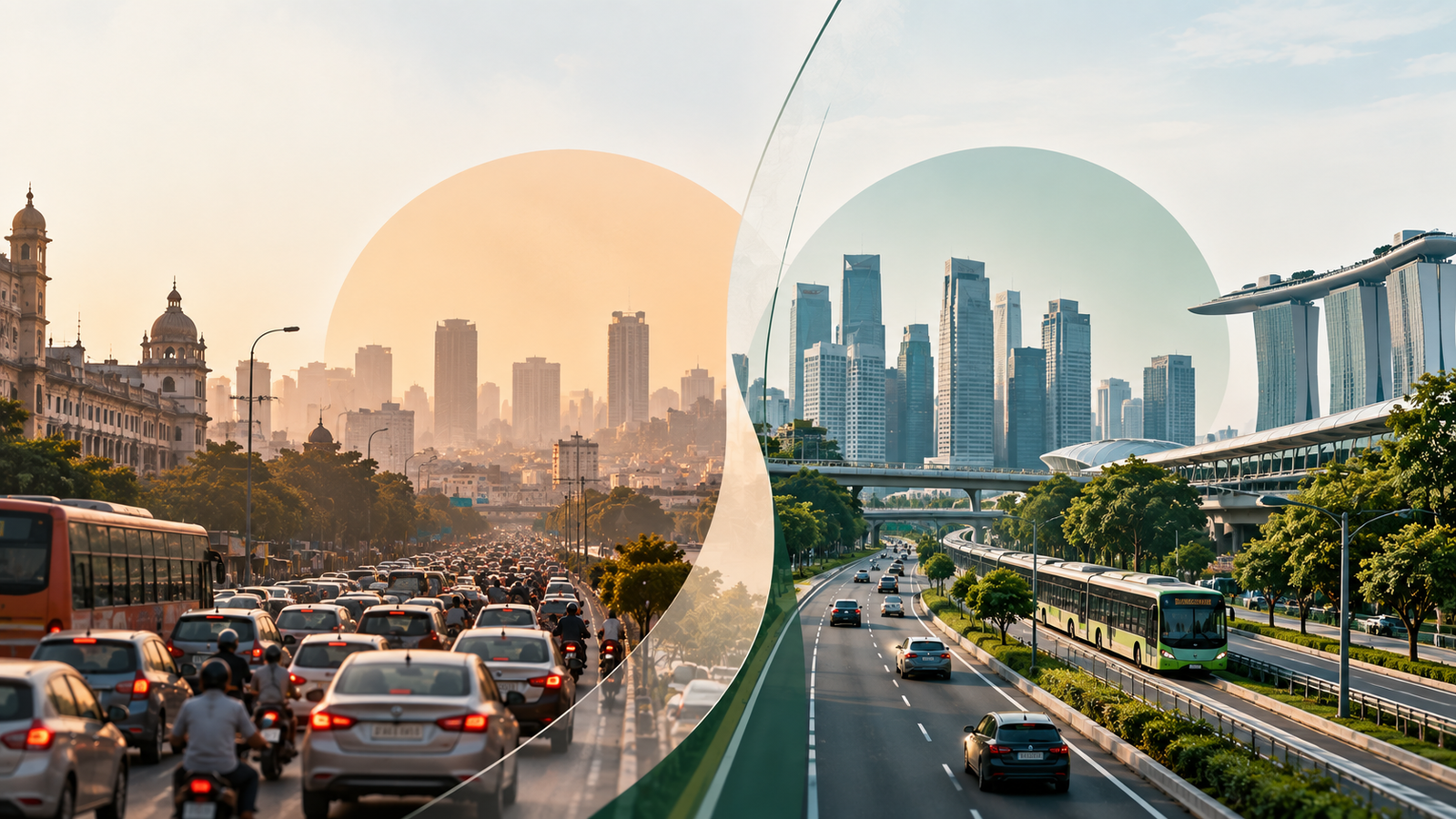
Can India Learn From Singapore’s Success on Traffic Management?
Facing an annual economic drain of $22 billion and record travel delays across major metros, Indian cities mus...
Read More →