Youth, Dowry, and Social Conformity in Contemporary India
By Shantanu Singh · 20 May 2026
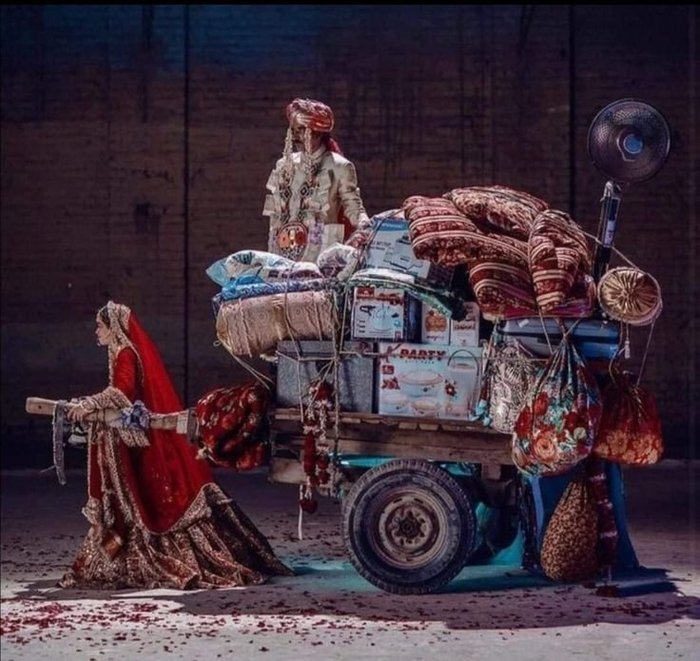
An exploratory study examining the tension between Indian youth's stated moral opposition to dowry and their behavioural compliance with the practice.
Based on a 77-respondent exploratory survey across 14 states (24 questions across five attitude dimensions; mean "Moral Opposition" score 15.36; 85.7% of respondents aged 18–25), this study finds a persistent paradox: 73% of youth call dowry morally wrong, yet the practice continues. Key findings: moral opposition exists strongly, but hasn't produced structural resistance. Awareness of the Dowry Prohibition Act (1961) is high (84.2%) but confidence in its effectiveness is low (only 19.5%). Most respondents (70%) reject dowry as "economically necessary," yet 75.4% still see it as tied to a caste/occupation-based social marketplace. Over 80% attribute dowry transactions to community and relative pressure, while 79% claim personal non-participation intent - revealing a clear intention-behaviour gap. Urban respondents score higher on anti-dowry attitudes (15.66) than non-urban respondents (14.07); tradition-oriented respondents score lower (15.08). The study concludes that youth hold moral opposition without the structural capacity to resist, and that dowry persists by being reframed as "gifts" or tradition. Explicitly labelled an exploratory, non-representative study.