
When Reaching the Hospital Is Not Enough: The Crisis of Emergency Obstetric Care in India
By Shantanu Singh · 20 May 2026
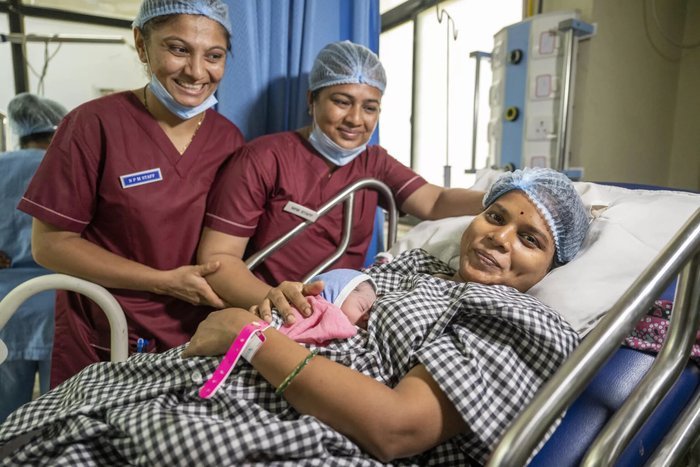
India has made significant progress in increasing institutional delivery rates, yet maternal mortality remains unacceptably high. This paper examines why reaching a hospital is often not enough.
National maternal mortality is down 83% since 1997, but severe geographic disparity remains across India's high-focus (EAG) states, masking systemic care-delivery failures behind an improving national average. The paper defines Emergency Obstetric Care (EmOC) via WHO's nine signal functions (haemorrhage management, eclampsia treatment, and others), and shows that institutional delivery rates alone don't guarantee functional emergency capability. Only 47% of India's 3,559 designated First Referral Units are actually functional; rural facilities routinely lack the specialist and obstetrician-anaesthetist teams needed for emergency surgery. Tribal, Dalit, and rural women face compounding barriers on top of this infrastructure gap - child marriage, maternal anaemia, and limited capacity to navigate the referral system. The paper concludes that future strategy must fix specialist shortages and referral networks, not just continue expanding coverage metrics that already look good on paper.